


Starting a Small Business: The Questions That Actually Matter
So, you want to start your own small business. That spark—whether it is excitement, independence, or the idea of building something of your own—is powerful. But before you jump in, it is worth slowing down just enough to ask the right questions. Not to discourage you, but to ground your vision in reality so it has a chance to succeed.
Let’s start with the basics.
What need are you filling?
Every successful business solves a problem or fulfills a desire. That might be something practical, like saving people time or money, or something emotional, like creating comfort, confidence, or connection. If you cannot clearly explain what need your business meets, customers will not be able to see it either.
What will the customer experience look like?
Think beyond the product or service itself. How does a customer find you? What do they feel when they interact with your business? What keeps them coming back? Today, experience is just as important as what you are selling—sometimes more.
Is there real demand?
An idea can feel brilliant, but the market gets the final say. Who else is doing something similar? Are customers already spending money in this space? If demand exists, that is a good sign—it means people are willing to pay. Your job becomes figuring out how to do it better, differently, or more clearly.
How will you make money—and when?
This is where things get real. What is your pricing strategy? What level of sales revenue do you need to cover your costs? When do you realistically expect to break even? Many businesses take longer than expected to become profitable, so having a clear financial picture is not optional, it is essential.
Now shift the focus inward.
How will your lifestyle change?
Starting a business is not just a professional shift—it is personal. Your time, energy, and priorities will all be affected. Early on, it may mean longer hours, less predictability, and trade-offs in other areas of life. Being honest about this upfront helps prevent burnout later.
Do you have support and resources?
No one builds a business alone. That support might come from family, mentors, professional networks, or community resources. Knowing who you can lean on—and where to go when you do not have answers—can make all the difference during tough moments.
Are your expectations aligned with your finances?
There is often a gap between what we hope will happen and what our financial reality allows. How long can your savings sustain you? What is your backup plan if revenue takes longer than expected? Managing this balance is one of the biggest challenges new business owners face.
Do you have the right skills—or a plan to get them?
You do not need to know everything on day one. But you do need awareness. What skills are critical to your business? Sales, marketing, operations, financial management? Be honest about where you are strong and where you will need to learn or bring help.
Starting a business is not about having all the answers; it is about asking better questions. The more clarity you build early, the more confident and resilient you will be when challenges come (and they will).
If you can align your idea with real demand, understand your financial path, and prepare yourself for the personal and professional shift ahead, you are not just starting a business, you’re building something with intention.
Self-Assessment: Michigan SBDC Guide to Starting a Small Business
- Why do you want to start (or continue growing) a small business?
- What kind of business do you want to launch or expand?
- Why do you think you can make this type of business work?
- Why do you think this type of business is sustainable?
- Do you have the necessary education, skills, and experience to succeed in this industry?
- Are there additional qualifications you should obtain before you start your business, and how can you achieve them?
- What is the true purpose and/or goal you hope to accomplish with this business?
- What is the financial goal you are seeking to achieve?
- Will you need financing, and do you have the high credit score, assets, collateral and financial history to be eligible for financing?
- What are your personal and professional strengths?
- What are your personal and professional weaknesses?
- How would you describe your physical, mental, and emotional health and stamina?
- What knowledge and skills do you have to start and manage the day-to-day operations of a business?
- Do you know and understand the technology necessary to be competitive in this industry?
- Do you generally have good judgment in people and ideas?
- What sacrifices and risks are you willing to take to be successful?
- How will you balance your personal life and business demands?
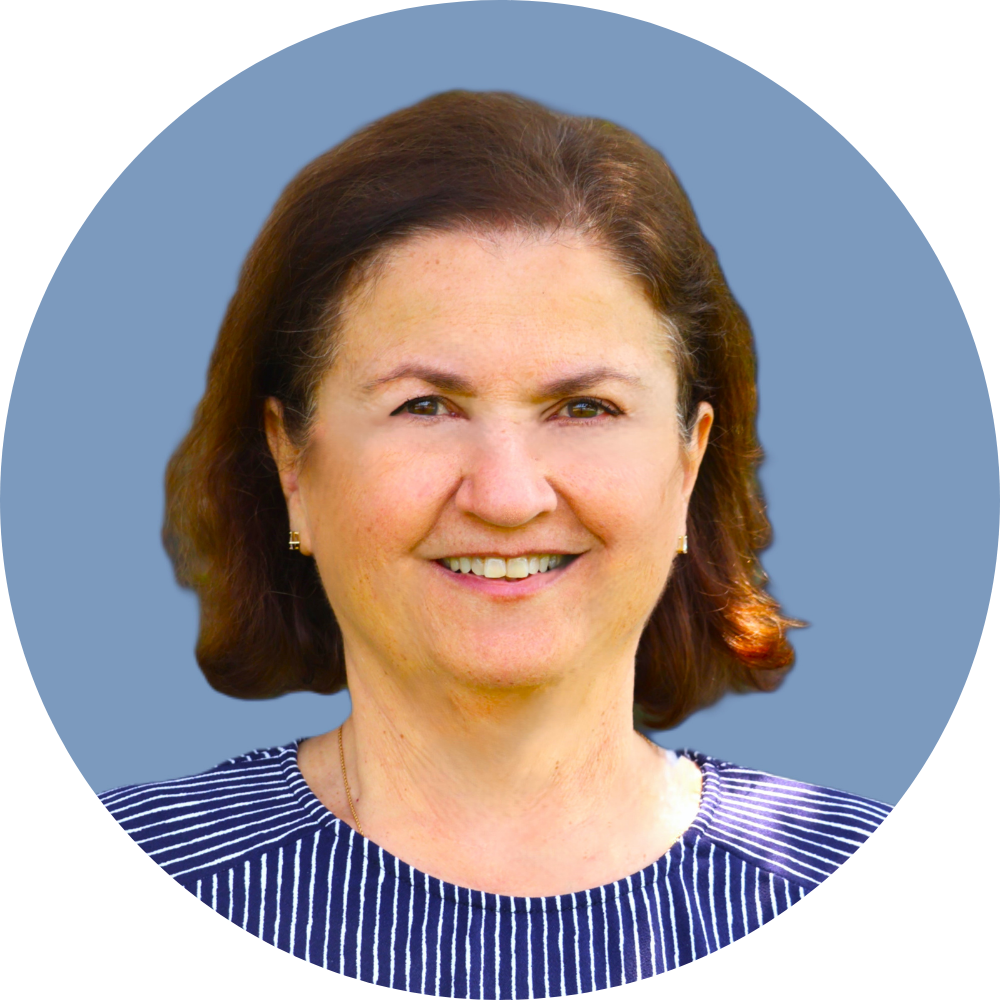 Diana Dimitroff
Senior Business Consultant
Southeast Michigan Region | Eastern Michigan University
Funded in part through a Cooperative Agreement with the U.S. Small Business Administration. All opinions, conclusions and/or recommendations expressed herein are those of the author and do not necessarily reflect the views of the SBA.